EEG/QEEG Certification
40 hour Virtual Didactic Workshop
January15-17 and 22-23, 2026
Your Instructors
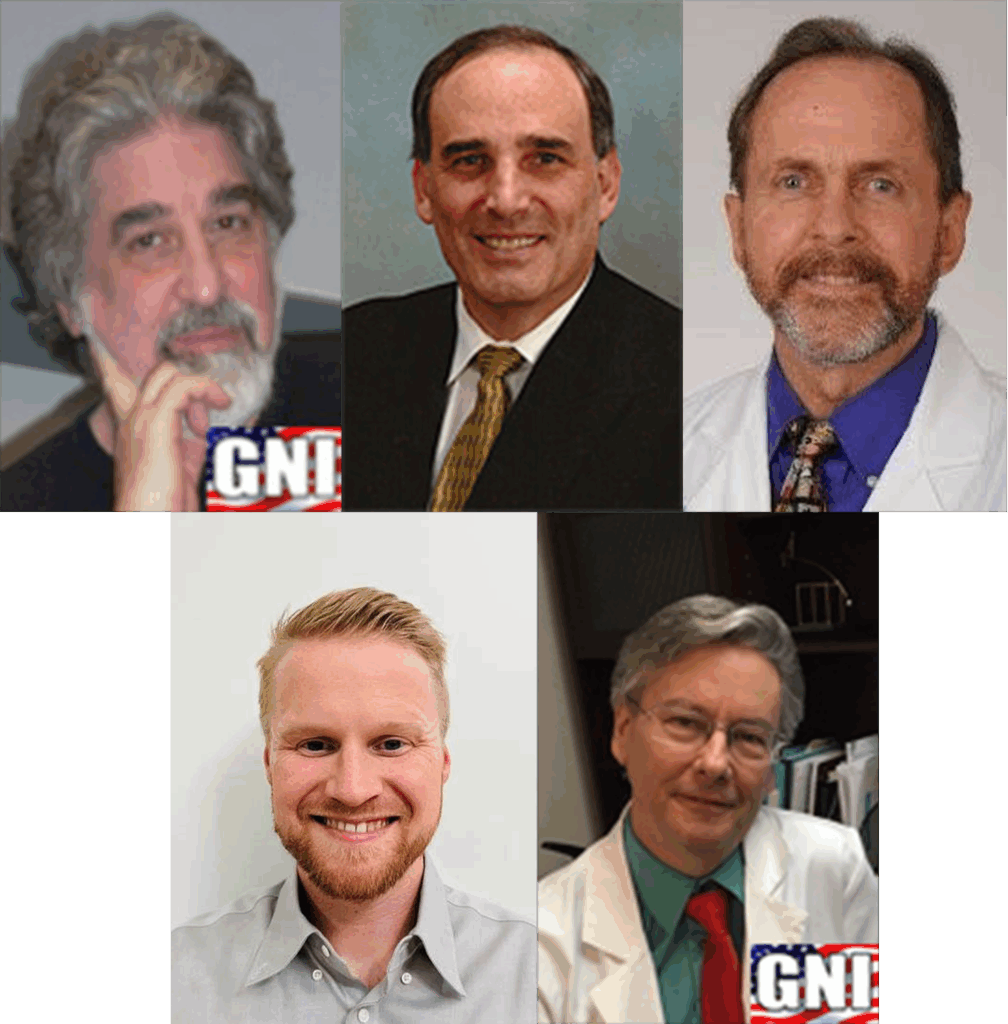
This workshop — uniquely taught by five QEEG diplomates with diverse backgrounds — provides not only an opportunity to fulfill the QEEG Certification Board requirements, but also provides a broad and up-to-date exposure to the current state of EEG/QEEG and Neuromodulation Neurofeedback. Attendees who are seeking EEG/QEEG Board certification, as well as those who have experience in EEG/QEEG and neurofeedback will find this a comprehensive and engaging workshop that by definition will include essential material to ensure a solid grasp of current EEG/QEEG concepts.
Who is this course for?
For Experience Levels: Introductory/Intermediate
This workshop, which is uniquely taught by five QEEG diplomates with diverse backgrounds, provides not only an opportunity to fulfill the QEEG Certification Board requirements, but also provides a broad and up-to-date exposure to the current state of EEG/QEEG and Neuromodulation/Neurofeedback. Attendees who are seeking EEG/QEEG Board certification, as well as those who have experience in EEG/QEEG and neurofeedback will find this a comprehensive and engaging workshop that by definition will include essential material to ensure a solid grasp of current EEG/QEEG concepts.
Ideal workshop for:
- Psychologists, Psychiatrists, Social Workers, MFTs, Counselors, Substance Abuse Counselors, Nurses, Dentists, Chiropractors, and technicians under licensed supervision, and other health care professionals accepted by BCIA
- Certain workshops may require prerequisite training/licensure. Call STS for further information.
- Medical doctors are welcome to attend all STS workshops. CME’s are not guaranteed.
- As well as other health care professionals accepted by BCIA
VIRTUAL:
NOTE: SEATING IS LIMITED!
Learning Objectives
- 1. Specify the relevant issues pertaining to scope of practice.
- 2. Explain the difference between ethical rules and legal rules in clinical practice.
- 3. Identify pertinent client rights and standards of care related to EEG monitoring.
- 4. Contrast the ethical and legal considerations as an EEG or EEG/QEEG provider.
- 5. Describe the physiological principles of the origins of the EEG in a client.
- 6. Specify the differences between EEG and EEG/QEEG.
- 7. Summarize the various approaches utilized in conducting EEG recording sessions.
- 8. Describe the various frequency bands and EEG/QEEG components.
- 9. Specify the Brodmann area functions and network connections.
- 10. Explain the 10–20 International Standard placement for 19 channel EEG recording.
- 11. Explain sources in the brain from which various frequency bands normally emanate, and their physiological basis.
- 12. Identify at least 5 sources of noncortical biological artifact in the EEG.
- 13. Indicate the developmental changes in the EEG.
- 14. Specify the various functions of cortical structures.
- 15. Contrast differences between t-tests, alpha and p levels, correlational relationships, and z-scores.
- 16. Explain how clinically measured T-tests, alpha and P levels, correlational relationships, and z-score measures are used in EEG/QEEG as decision-making tools.
- 17. Identify the concepts of Type I and Type II error, and power of a statistical test.
- 18. Describe how to interact with a client to achieve an optimal EEG or EEG/QEEG recording.
- 19. Identify how to make necessary adjustments or instructions during an EEG or EEG/QEEG recording session, depending on client response or observed recordings.
- 20. Contrast the conditions identifiable using EEG with those identifiable when using EEG/QEEG.
- 21. Describe the commonalities and differences in available EEG and EEG/QEEG recording devices and software.
- 22. Identify the best subject inclusion and exclusion criteria for building a database.
- 23. Explain the fundamental statistical considerations within EEG/QEEG databases.
- 24. Distinguish the levels of experimental design in scientific research.
- 25. Describe examples of the various contemporary methods of processing and displaying EEG/QEEG statistical data (maps, etc.).
- 26. Explain how clinical presentation of a client may affect the EEG.
- 27. Identify whether a client is suitable for an EEG or EEG/QEEG study.
- 28. Describe the steps in conducting a EEG/QEEG analysis.
- 29. Describe the use of Z-scores in EEG/QEEG analysis and interpretation.
- 30. Indicate various methods of EEG assessment.
- 31. Describe what EEG signatures should be referred out to other professionals.
- 32. Demonstrate an understanding of LORETA interpretation and training along with limitations.
- 33. Describe the concept of neuroplasticity in relation to the EEG and EEG/QEEG.
- 34. Demonstrate knowledge about general cognitive and clinical changes that take effect after neurofeedback training based upon published scientific articles.
- 35. Describe EEG connectivity metrics such as coherence, phase, and asymmetry.
- 36. Explain phase and coherence, how they relate and what they can mean in the interpretation of the EEG/QEEG.
- 37. Explain what defines the various EEG montages and the circumstances of their use.
- 38. Describe how LORETA and sLORETA-based interpretation and training provide unique capabilities compared to surface metrics.
- 39. Discuss a working knowledge of the montages, transforms and power displays along with the specific perspectives they can provide a reader of EEG/QEEG output.
- 40. Explain how to ensure that an EEG recording session has minimal artifacts or interference.
- 41. Create and construct a report on an EEG or EEG/QEEG session tailored to the client or referring practitioner’s needs.
- 42. Distinguish various Neuromodulation therapies and modalities (e.g., Neurofeedback).
Itinerary | Day 1
Thursday, January 15
8:30AM – 6:00PM Eastern Time
8:30 AM – 9:30 AM – History (1 Hour)
- Basic knowledge of the history of quantitative electrophysiology
9:30 AM – 11:30 AM – Ethics (2 Hours)
- Responsibilities and liability in provision of services
Break – 11:30 AM – 11:45 AM (15 Minutes)
11:45 AM – 12:45 AM – Technical (1 Hour)
- Topographical representation of EEG/QEEG
- Electrodes and acquisition systems
Lunch – 12:45 PM – 1:45 PM (1 Hour)
1:45 PM – 2:45 PM – Neuroscience (1 Hour)
- Cortical and sub cortical structures macro and microanatomy
2:45 PM – 4:45 PM – Technical (2 Hours)
- Instrumentation (Acquisition and review parameters/settings)
- Montages
Break – 4:45 PM – 5:00 PM (15 Minutes)
5:00 PM – 6:00 PM – EEG/QEEG (1 Hour)
- Understanding the uniqueness of EEG/QEEG analysis from other neuro imaging techniques and conventional metrics derived from the EEG signal
- Use of EEG/QEEG norms and methods used to derive EEG/QEEG norms
8 CE Hours towards EEG/QEEG Certification
Thomas Collura
Ph.D, QEEG-D, BCN, LPCC-S
Primary
Itinerary | Day 2
Friday, October 23
8:30AM – 6:00PM Eastern Time
8:30 AM – 10:30 AM – Neuroscience (2 Hours)
- Behavioral I correlates to brain regions and networks
Break – 10:30 AM – 10:45 AM (15 Minutes)
10:45 AM – 12:45 PM – Psychopharmacology (2 Hours)
- Relationships of drugs and neurotransmitter modulation
- Understanding of basic principles of half-lives and their impact on interpreting EEG/QEEG guidelines for evaluating drug effects on brain and behavior in individual patients
- Understand the effects of common psychopharmaceutical agent classes on EEG/QEEG data
Lunch – 12:45 PM – 1:45 PM (1 Hour)
1:45 PM – 3:45 PM – Clinical/ Forensic (2 Hours)
- Knowledge regarding limits of interpreting EEG/QEEG regarding choice of reference databases and recognizing statistical probability versus clinical probability
- Recognizing the difference in deposition as “fact/treating” witness vs “expert” witness
- Understand Daubert vs Frye standards and their application to EEG/QEEG interpretation and use
Break – 3:45 PM – 4:00 PM (15 Minutes)
4:00 PM – 6:00 PM EEG/QEEG (2 Hours)
- Demonstrate basic knowledge of Brodmann Areas in terms of how areas were defined and most common functional attributes to these regions
- Demonstrate knowledge of graph theory and definitions of terms
- Demonstrate knowledge of Current Source Density maps, metrics, and graphic methods of such (e.g., methods voxel representation of current course methods)
- Reports based on EEG/QEEG metrics should relate these to clinical history, symptoms, and other clinical assessments.
8 CE Hours towards
EEG/QEEG Certification
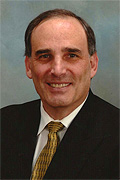
David Cantor,
PhD., M.S, QEEG-D, BCN
Primary
Itinerary | Day 3
Saturday, January 17
8:30AM – 6:00PM Eastern Time
8:30 AM – 9:30 AM – Neuroscience (1 Hour)
- Cortical and subcortical structures macro and microanatomy
9:30 AM – 11:30 AM – EEG/QEEG (2 Hours)
- Basic knowledge of neurophysiology of EEG/QEEG
- Editing and identifying artifacts
- Normal waveform patterns
- Standards of EEG/QEEG acquisition procedures including activation
- Break – 11:30 AM – 11: 45 AM (15 minutes)
- 11:45AM – 12:45 PM – Clinical (1 Hour)9:30 AM – 11:30 AM – EEG/QEEG (2 Hours)
- Emphasis on correlating EEG/QEEG with other clinical diagnostic evidence
- Appropriateness of an EEG/QEEG referral
Lunch – 12:45 PM – 1:45 PM (1 Hour)
1:45 PM – 2:45 PM – Neuroscience (1 Hour)
- Major Networks
Break – 2:45 PM – 3:00 PM (15 Minutes)
3:00 PM – 5:00 PM EEG/QEEG (2 Hours)
- The functional correlates of abnormal EEG/QEEG changes
- The role of EEG/QEEG metrics in understanding and treating specific clinical presentations and the relationship of EEG/QEEG to other clinical examinations.
5:00 PM – 6:00 PM Clinical/Forensic (1 Hour)
- Patient conditions related to EEG/QEEG Evaluation
- History and prior clinical and laboratory reports review
Itinerary | Day 4
Thursday, January 22
8:30 AM – 9:30 AM – Neuroscience (1 Hour)
- Autonomic nervous system
9:30 AM – 11:30 AM – EEG/QEEG (2 Hours)
- Abnormal EEG/QEEG waveforms and rhythms. Visual examination of EEG traces to identify time and location of artifact and pathology.
- The use of different EEG/QEEG montages for waveform analysis
Break – 11:30 AM – 11:45 AM (15 Minutes)
11:45 AM – 12:45 PM – Technical (1 Hour)
- Montages
- Electrical/Clinical Safety
Lunch – 12:45 PM – 1:45 PM (1 Hour)
1:45 PM – 3:45 PM – Neuroscience (2 Hours)
-
Sensory Pathways
Break – 3:45 PM – 4:00 PM (15 Minutes)
4:00 PM – 6:00 PM Research (2 Hours)
- Basic vs Clinical Research
- Exploratory Research vs. Hypothesis testing
- Experimental Design
- Basic Statistics and differences between parametric versus nonparametric statistics
- Definition of types of validation and reliability
- Meta-Analysis
- Reporting Results and Publication Standards
Thomas Collura
Ph.D, QEEG-D, BCN, LPCC-S
Primary
Itinerary | Day 5
Friday, January 23
8:30 AM – 10:30 AM – EEG/QEEG (2 Hours)
-
Use of EEG/QEEG norms and methods used to derive EEG/QEEG norms
-
The functional correlates of abnormal EEG/QEEG changes
-
The role of the EEG/QEEG metrics toward understanding and treating specific clinical presentations; and the relationship of the EEG/QEEG to other clinical examinations.
-
Break – 10:30AM – 10:45AM (15 Minutes)
10:45 AM – 12:45 PM – EEG/QEEG (2 Hours)-
Abnormal EEG/QEEG waveforms and rhythms. Visual examination of EEG/QEEG traces to identify time and location of artifact and pathology.
-
The use of different EEG/QEEG montages for wave form analysis
Lunch – 12:45 PM – 1:45 PM (1 Hour)
1:45 PM – 3:45 PM – EEG/QEEG (2 Hours)-
Demonstrate knowledge of Current Source Density maps, metrics, and graphic methods of such (e.g., methods voxel representation of current course methods)
-
Reports based on EEG/QEEG metrics should relate these to clinical history, symptoms, and other clinical assessments
Break – 3:45 PM – 4:00 PM (15 Minutes)
4:00 PM – 6:00 PM – EEG/QEEG (2 Hours)-
Abnormal EEG/QEEG waveforms and rhythms. Visual examination of EEG/QEEG traces to identify time and location of artifact and pathology.
-
The use of different EEG/QEEG montages for wave form analysis
-
 Thomas Collura
Ph.D, QEEG-D, BCN, LPCC-S
Primary
Richard McAlister
DC, QEEG-D, BCN
Secondary
-
Registration
- Call StressTherapy Solutions at (800)447-8052 or (216)766-5707
- Email us at stsinc@StressTherapySolutions.com or info@stressth

Purchase
- Purchase Full Course $1245 via PayPal Add to Cart
The first 8 people to register will receive a $300 BrainMaster Gift Certificate which can be used towards any BrainMaster proprietary equipment package valued at $600 or more. Other incentives will also be available.
All Workshop Listings
Disclaimer Information
*The views or opinions expressed by workshop instructors or presenters, are not necessarily those of StressTherapy Solutions, Inc. StressTherapy Solutions Inc. is a marketing corporation offering educational workshops, trainings, live virtual workshops, onsite workshops, and Inservices which are taught by independent certified biofeedback/Neurofeedback/Neuromodulation/QEEG professionals who consult their services to StressTherapy Soutions Inc. Educational workshops are available to licensed practitioners seeking information relative to biofeedback/Neurofeedback/QEEG and natural health-related subjects and use. Various workshops offer “general” industry standard educational information helpful to all practitioners regardless of the equipment they choose to use. Attendees utilizing equipment from BrainMaster Technologies Inc., Thought Technologies, Nexus, and Neurofield will benefit from didactic knowledge, which will advance information within the field of biofeedback/Neurofeedback/QEEG, however; may or may not directly be relative to their present equipment use. Please note: the main equipment of choice and use by all instructors and workshops is BrainMaster Technologies Inc.
*StressTherapy Solutions, Inc. workshops are offered on a first-come first-served basis. Seating is limited and determined by hosting venue and/or Attendance.
*StressTherapy Solutions workshops are intended for Psychologists, Psychiatrists, Social Workers, MFTs, Mental Health Counselors, Counselors, Substance Abuse Counselors, , Nurses, Dentists, Other:_Chiropractors, and technicians under licensed supervision, and other health care professionals accepted by BCIA and qEEG Board respectively. Certain workshops may require prerequisite training/licensure. Call STS for further information. Medical doctors are welcome to attend all STS workshops.
*No refunds will be issued for any workshops, bootcamps, in-services, mentoring, EEG Screening Review, or videos.
*Funds may be transferred to any StressTherapy Solutions workshop up to 90 days prior to event originally purchased. If customer cancels 60 days before a workshop is held, payment may be transferred to the same workshop in the same location at a future date.
Transfer fund oppurtunity expires in one year, however certain services may be extended. *International pricing is not included. For international pricing, please call for details.
*STS reserves the right to cancel any StressTherapy Solutions event without notice. Although cancellation is extremely unlikely, workshops will be rescheduled as necessary due to instructor illness, flight cancellations, or for any reason beyond our control.
*STS will not be held responsible for restricted or non-refundable air fares.
*All services have a 12 month window of use from date of purchase. StressTherapy Solutions retains the right to choose mentors and instructor availability.
**StressTherapy Solutions offers a 30% discount to re-attend the same exact workshop within one year. This only applies for workshops held in Cleveland, Ohio or virtually.
*Neurofeedback, also known as EEG biofeedback or brain wave training, is approved for various levels of relaxation training represented by brain wave activity. All neurofeedback systems are sold “to or on the order of a licensed practitioner” and is expected to be one of many tools within the practitioner’s tool box. It remains the responsibility of the practitioner to determine if and when neurofeedback training or assessment meets the need of clients or patients.
*Instructors and practitioners are responsible to remain within the scope of practitioner’s license and practice.
*Relationship Disclosure: Stress Therapy Solutions is considered a sister corporation to BrainMaster Technologies Inc. BrainMaster Hardware and Software is used for scientific analysis and presentations by most STS instructors. However, BrainMaster equipment is not required for attendees when attending any QEEG Didactic Workshop.
*The science and information is continually changing and evolving in the field of neurofeedback and qEEG. These courses regularly update with new information as it evolves.
*All materials given to attendees are copyright protected and remain property of StressTherapy Solutions, Inc and shall not be replicated.
-
Payment Options:
For additional information, international payments or payment options, please contact StressTherapy Solutions, Inc at (800)447-8052 or 216-766-5707 or Email: info@stresstherapysolutions.com